Cartoons from your own story
A cartoon about a hard moment, starring your child.
Pick the moment, then tell us what happened in your own words. Zubby makes a short "let's imagine" cartoon from your story, to watch together and talk about.
Price: from US$9.99. Usually ready in about 10–15 minutes.
Cartoons are made with AI. You preview each one before your child sees it. Automatic checks can miss things.

- 30, 45 or 60 seconds. Titles and credits add a little.
- Usually ready in about 10–15 minutes.
- Price: from US$9.99. You see it before you pay.
Pick your moment
Pick the moment: a first day, the dentist, the dark, a new baby, big feelings, and more.
No rush. Pick the closest one.
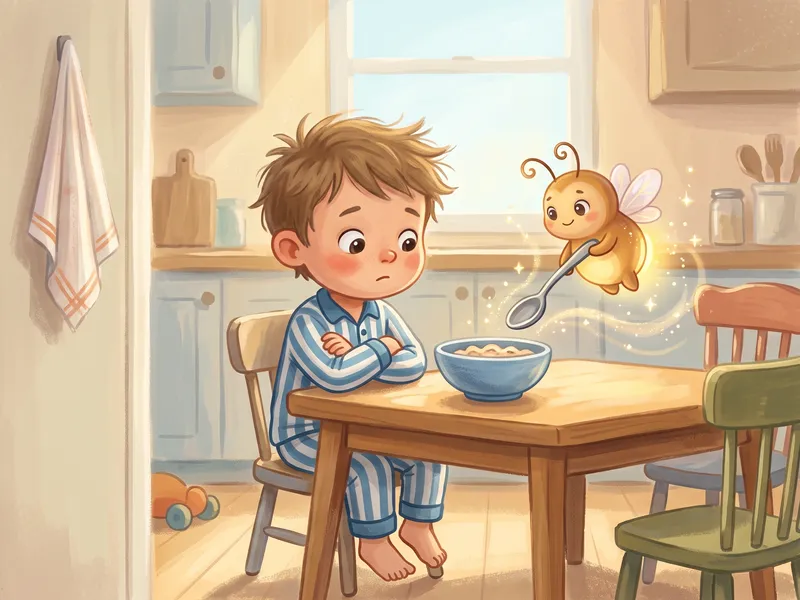
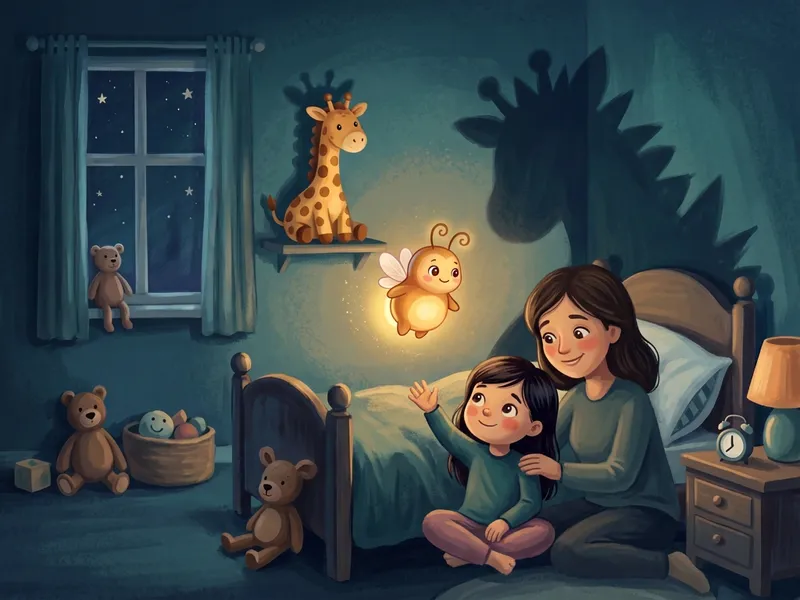
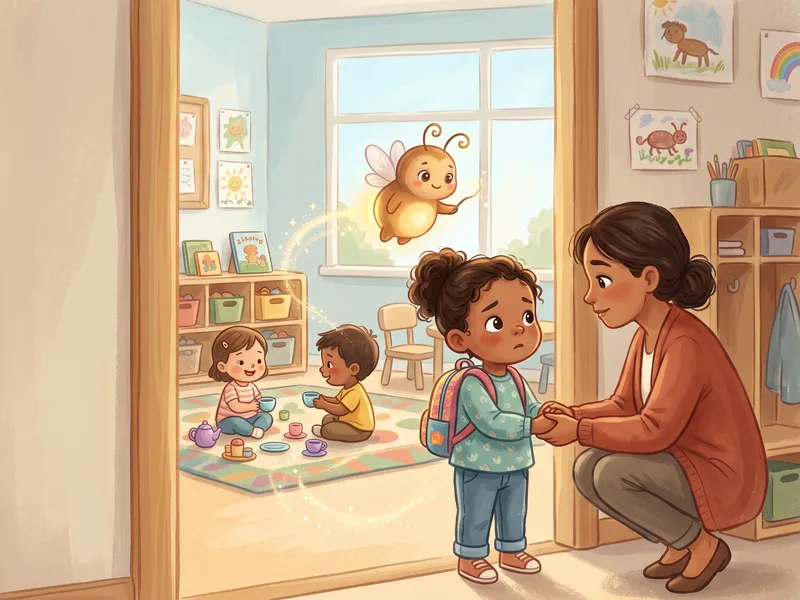
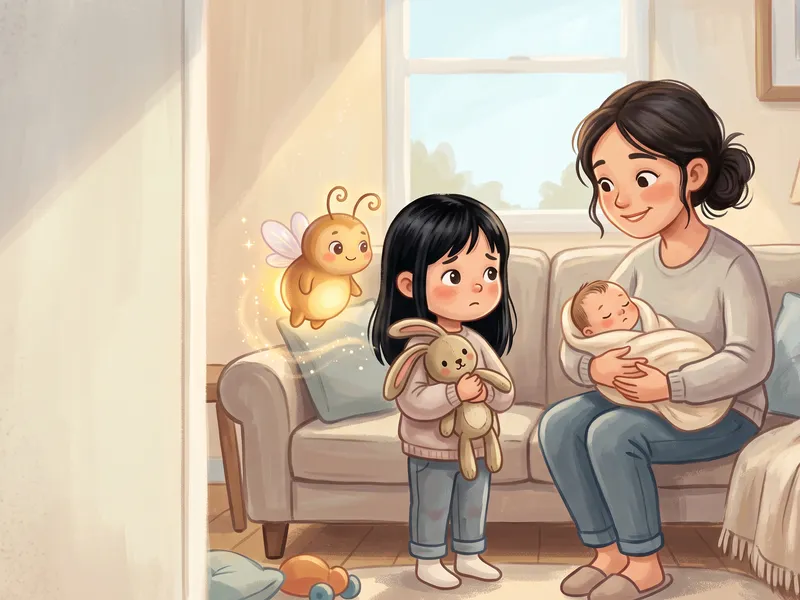
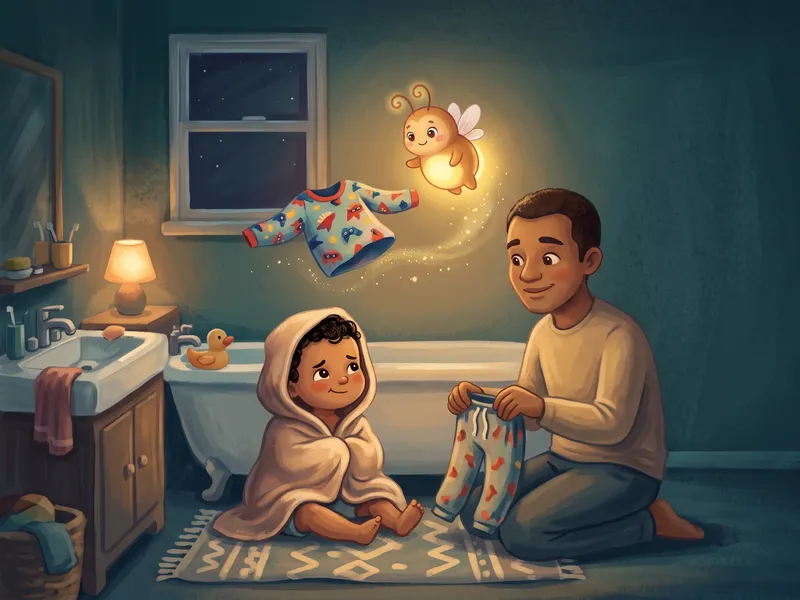
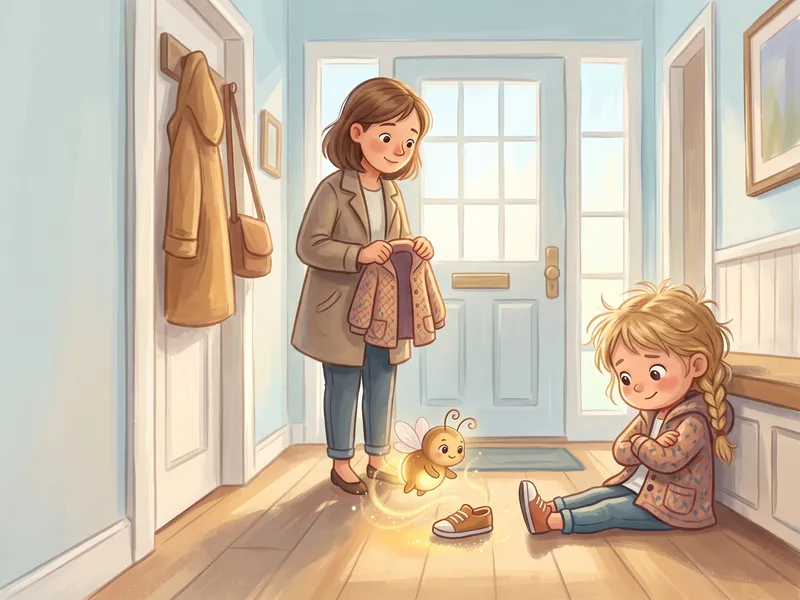
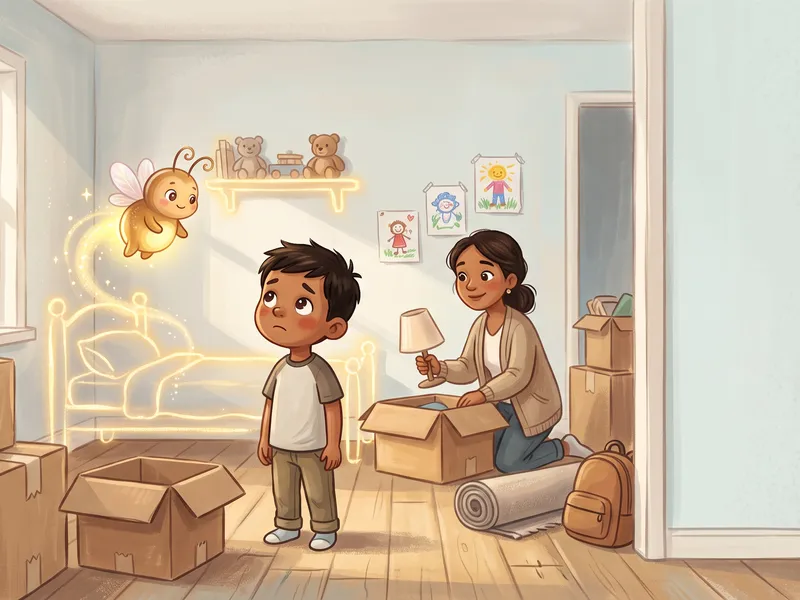
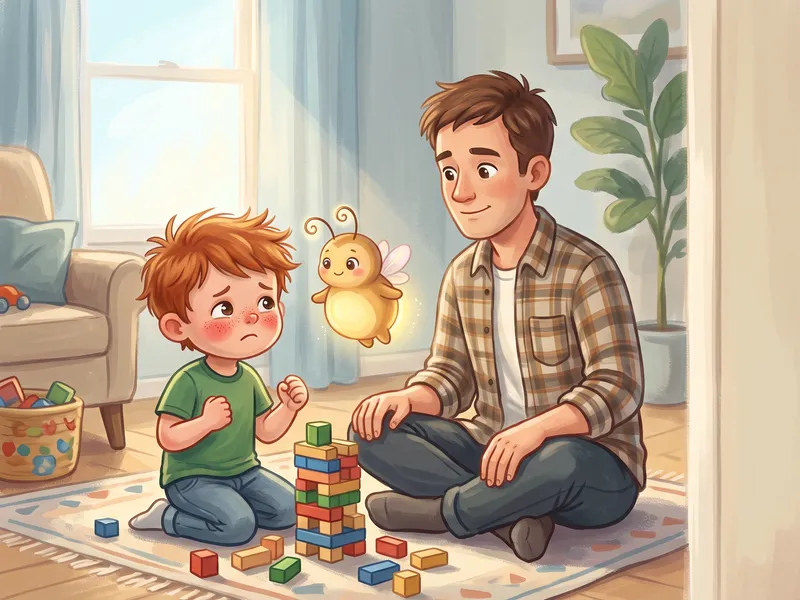
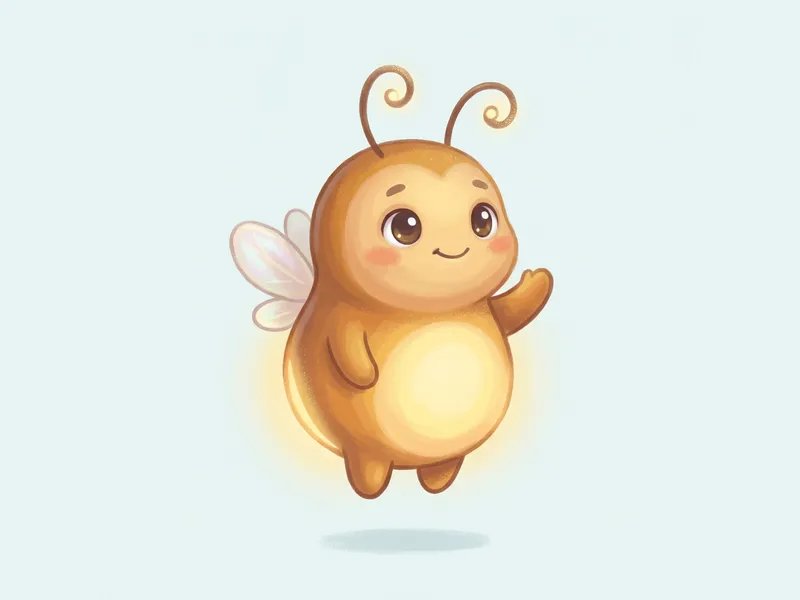


Illustrations, made with AI. They show a moment; they are not frames of your cartoon.
Don't see yours? Choose Something else and tell us in your own words.
Each moment has an example story beginning to read. It is not a cartoon of your own story.
If you are worried about your child's sleep, eating, fears or behaviour, talk to your child's doctor, nurse or teacher.
How it works
Turn a real moment from your day into a short cartoon starring your child. You tell the story in your own words. You watch it first. You decide what to share.
Tell us the moment
Write what happened, in your own words, in any language. Your child can be the hero, with or without a photo.
Pick a look
Choose one of seven cartoon looks.
Watch it first. Then together.
Zubby makes a short cartoon with voices, music and titles. The story is 30, 45 or 60 seconds. Usually ready in about 10–15 minutes.
You see the price before you pay.
Cartoons are made with AI. You preview each one before your child sees it. Automatic checks can miss things.
Seven looks
The whole cartoon is drawn in the look you pick.
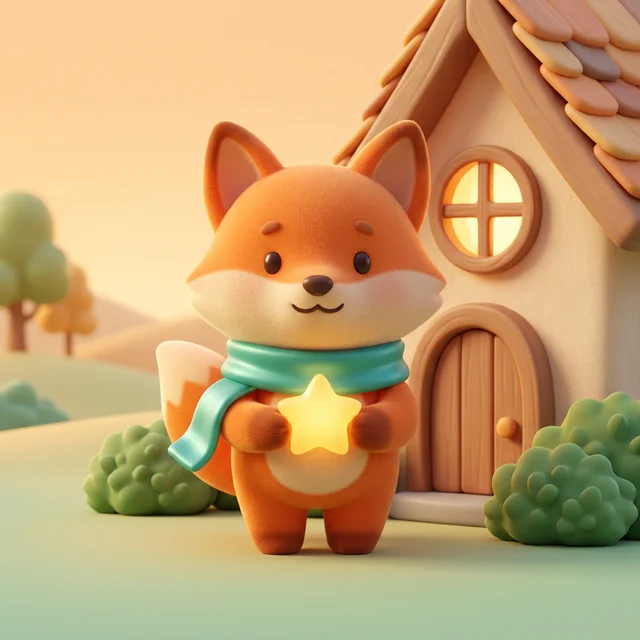
Soft 3D
Soft light, rounded characters and lively emotions.
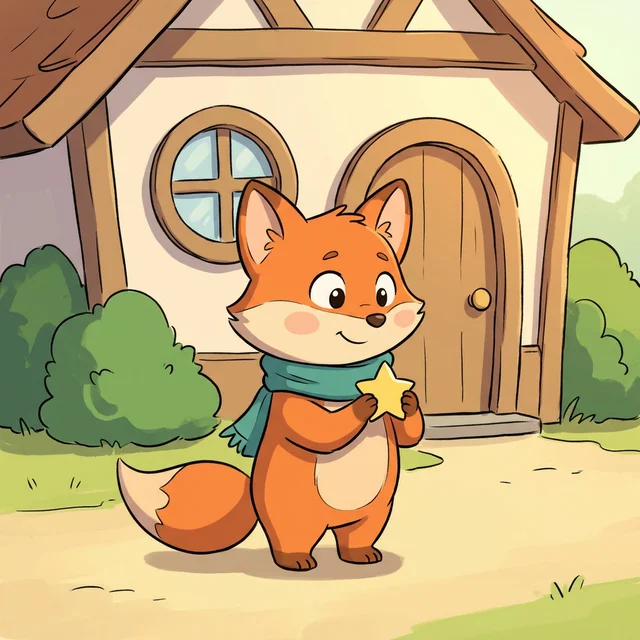
Drawn Cartoon
Clear lines, bright colours and expressive movement.
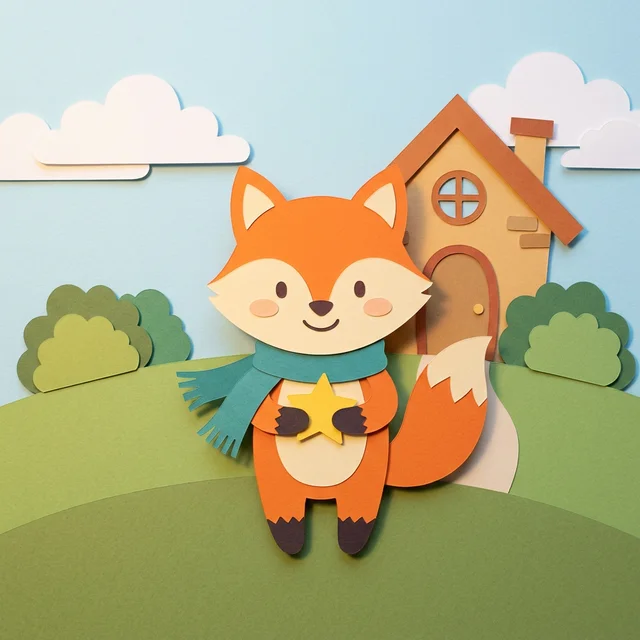
Paper Story
Colourful paper characters in a little layered world.
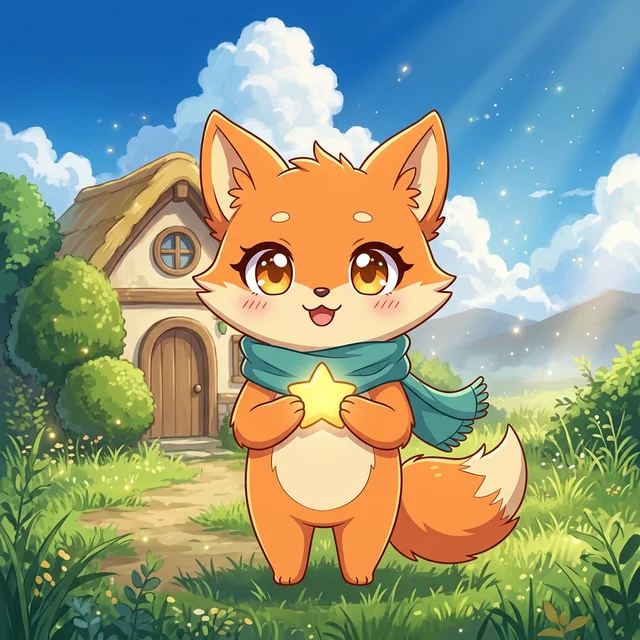
Anime
Expressive eyes, drawn landscapes and warm adventures.
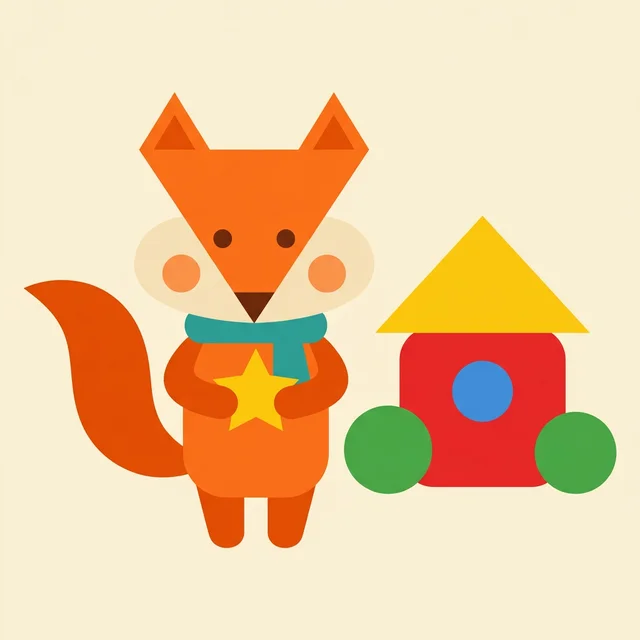
Bright Shapes
Simple shapes, bold colours and playful movement.
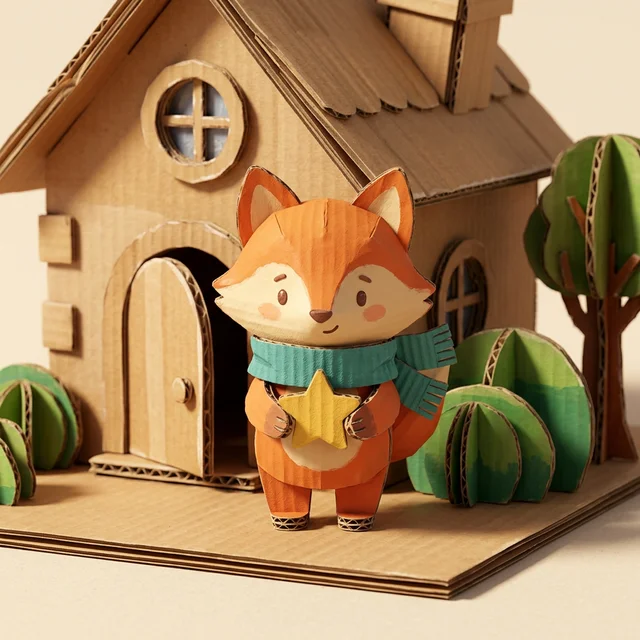
Cardboard World
A little three-dimensional world of cardboard and folded figures.
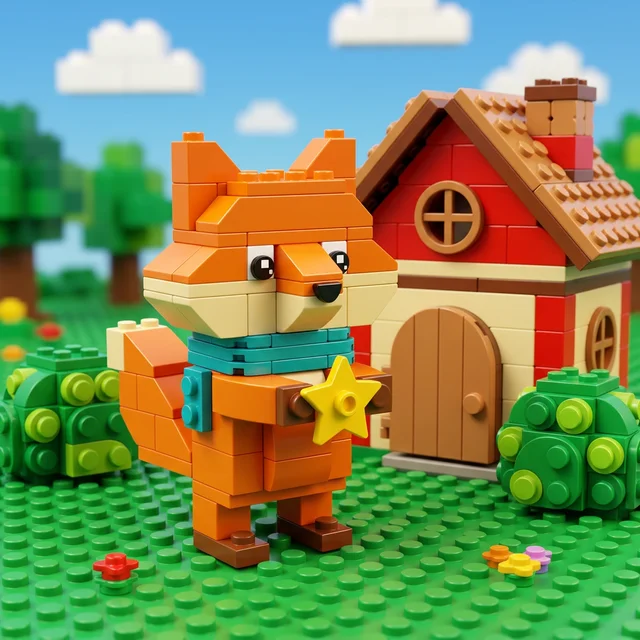
Toy Blocks
A bright world built from snap-together plastic blocks.
Let's imagine, then talk about it

Mia and the big shadow
One evening, Mia sees a tall shadow on the wall. A little light helps her find out where it comes from.
Talk-after card
Here are three gentle questions to talk about after this example. Best watched together, then followed by a chat or a game.
- What did Mia see on the wall?
- What helped Mia find out about the shadow?
- Where do you like the light in your room? You can tell me or show me.
Use the ones that feel right. Skip any you like.
Three questions. Use any you like.
Not for watching in bed or just before sleep. Health guidance suggests turning screens off an hour before bedtime.
Fears are common. If fear keeps stopping your child from sleeping or doing everyday things, talk to your child's doctor.
Daytime moments, evening moments
Some moments happen in the middle of the day. Others are tender, or come in the evening.
Daytime moments
Won't eat. Mornings. Big feelings. Watch them together at a calm time, then talk.
Evening and tender moments
The dark. Getting ready for bed. A new baby. Moving. A first day. Watch them together earlier in the evening or at a calm time. Never in bed.
Not for watching in bed or just before sleep. Health guidance suggests turning screens off an hour before bedtime.
You tell the story in your own words. You watch it first. You decide what to share.
Made to be watched together.
Best watched together, then followed by a chat or a game.
Made with AI, checked by you.
Cartoons are made with AI. You preview each one before your child sees it. Automatic checks can miss things.
No ads. Sound only when you tap.
Your child can be the hero, with or without a photo.
A story to talk about the moment. No promises about your child.
Not a bedtime or sleep aid. Not for the middle of a meltdown.
Zubby is a family storytelling tool, not a medical, therapeutic or educational treatment. Zubby cartoons have not been tested in studies.
The idea behind Zubby
Inspired by research on how children learn from stories and from watching others handle a moment. [1, 2, 3, 5, 6]
Zubby is a family storytelling tool, not a medical, therapeutic or educational treatment. Zubby cartoons have not been tested in studies.
The studies we cite used books, films, programmes or lab tasks, some made for the study, with different groups of children. Their results may not apply to Zubby.
Children learn by watching.
Since the 1960s, experiments have shown that young children often copy what they see others do [1]. In research settings, a film showing another child going through surgery has been linked with less anxiety before the operation [3], and in one laboratory study, seeing someone react positively beforehand made children less likely to pick up a fear of a new animal [4].
Zubby does not replace the preparation your child's health team gives.
Fears are common. If fear keeps stopping your child from sleeping or doing everyday things, talk to your child's doctor.
Stories about you may land harder.
In two small, preliminary studies, pre-schoolers learned more new words from the parts of a book made about them [5], and children in kindergarten retold and understood a story better when its hero looked like them [6]. In lab tasks, children aged 4 to 6 remembered objects better when they were paired with a picture of themselves [7]. That is why, in Zubby, your child is the hero. Those studies used picture books and memory tasks, not cartoons, and none has tested Zubby.
The studies we cite used books, films, programmes or lab tasks, some made for the study, with different groups of children. Their results may not apply to Zubby.
Zubby is a family storytelling tool, not a medical, therapeutic or educational treatment. Zubby cartoons have not been tested in studies.
Talking together helps.
Paediatric guidance and small studies suggest children tend to learn more from a screen story when a grown-up watches along and asks questions [8, 9, 10]. So Zubby cartoons are short and made to be watched together, then talked about or played out. Health guidance also suggests keeping screens away from bedtime [8], so Zubby is not made for bed.
The studies we cite used books, films, programmes or lab tasks, some made for the study, with different groups of children. Their results may not apply to Zubby.
Best watched together, then followed by a chat or a game.
Not for watching in bed or just before sleep. Health guidance suggests turning screens off an hour before bedtime.
What it isn't.
Each Zubby cartoon is made to be talked about together. It can't do the work of routine, patience or your child's doctor. For some moments there are studies. In a randomised trial of 127 toddlers, parents who first looked at a vegetable picture book with their child for two weeks, and then offered the vegetable daily, reported more liking, and more eating three months later, than parents who only offered it [11]. Relaxed, repeated tasting is what builds acceptance. A cartoon can't do that for you. These were picture-book studies, not cartoons.
The studies we cite used books, films, programmes or lab tasks, some made for the study, with different groups of children. Their results may not apply to Zubby.
Zubby is a family storytelling tool, not a medical, therapeutic or educational treatment. Zubby cartoons have not been tested in studies.
In one study of 73 children, a five-week parent-led book programme with exercises was followed by fewer night-time fears than waiting, which a film on its own is not [12]. For others, such as a new baby or starting nursery, we found guidance but no trials [13, 14]. Fears are common: in one study, about 7 in 10 children aged 4 to 12 reported night-time fears [15]. If worry stops your child sleeping or doing everyday things, talk to your child's doctor.
Research on stories and films for young children is limited. Most studies are small, and none has tested Zubby.
The studies we cite used books, films, programmes or lab tasks, some made for the study, with different groups of children. Their results may not apply to Zubby.
Zubby is a family storytelling tool, not a medical, therapeutic or educational treatment. Zubby cartoons have not been tested in studies.
References
- [1]Bandura A, Ross D, Ross SA. Transmission of aggression through imitation of aggressive models. Journal of Abnormal and Social Psychology. 1961;63(3):575–582. doi:10.1037/h0045925
- [2]Mares M-L, Woodard EH. Positive effects of television on children's social interactions: a meta-analysis. Media Psychology. 2005;7(3):301–322. doi:10.1207/s1532785xmep0703_4
- [3]Melamed BG, Siegel LJ. Reduction of anxiety in children facing hospitalization and surgery by use of filmed modeling. Journal of Consulting and Clinical Psychology. 1975;43(4):511–521. doi:10.1037/h0076896
- [4]Askew C, Reynolds G, Fielding-Smith S, Field AP. Inhibition of vicariously learned fear in children using positive modeling and prior exposure. Journal of Abnormal Psychology. 2016;125(2):279–291. doi:10.1037/abn0000131
- [5]Kucirkova N, Messer D, Sheehy K. Reading personalized books with preschool children enhances their word acquisition. First Language. 2014;34(3):227–243. doi:10.1177/0142723714534221
- [6]Neuenschwander R, Brüniger P, Fellmann C. Personalization effects on child involvement during shared book reading: do children of color benefit most? European Journal of Psychology of Education. 2025;40(4):132. doi:10.1007/s10212-025-01026-5
- [7]Cunningham SJ, Brebner JL, Quinn F, Turk DJ. The self-reference effect on memory in early childhood. Child Development. 2014;85(2):808–823. doi:10.1111/cdev.12144
- [8]Munzer T, Parga-Belinkie J, Milkovich LM, et al.; American Academy of Pediatrics Council on Communications and Media. Digital ecosystems, children, and adolescents: policy statement. Pediatrics. 2026;157(2):e2025075320. doi:10.1542/peds.2025-075320
- [9]Strouse GA, O'Doherty K, Troseth GL. Effective coviewing: preschoolers' learning from video after a dialogic questioning intervention. Developmental Psychology. 2013;49(12):2368–2382. doi:10.1037/a0032463
- [10]Rasmussen EE, Shafer A, Colwell MJ, et al. Relation between active mediation, exposure to Daniel Tiger's Neighborhood, and US preschoolers' social and emotional development. Journal of Children and Media. 2016;10(4):443–461. doi:10.1080/17482798.2016.1203806
- [11]Owen LH, Kennedy OB, Hill C, Houston-Price C. Peas, please! Food familiarization through picture books helps parents introduce vegetables into preschoolers' diets. Appetite. 2018;128:32–43. doi:10.1016/j.appet.2018.05.140
- [12]Kopcsó K, Láng A, Coffman MF. Reducing the nighttime fears of young children through a brief parent-delivered treatment: effectiveness of the Hungarian version of Uncle Lightfoot. Child Psychiatry and Human Development. 2022;53(2):256–267. doi:10.1007/s10578-020-01103-4
- [13]Kramer L, Ramsburg D. Advice given to parents on welcoming a second child: a critical review. Family Relations. 2002;51(1):2–14. doi:10.1111/j.1741-3729.2002.00002.x
- [14]Tunis D, Kleiner R, Loewenstein FB. 13 tips for starting preschool. National Association for the Education of Young Children. naeyc.org
- [15]Muris P, Merckelbach H, Ollendick TH, King NJ, Bogie N. Children's nighttime fears: parent-child ratings of frequency, content, origins, coping behaviors and severity. Behaviour Research and Therapy. 2001;39(1):13–28. doi:10.1016/S0005-7967(99)00155-2
Citing a study is not an endorsement by its authors or publishers.
Price
Price: from US$9.99 for your first week, then US$49.99 every 4 weeks, credits included.
You see the price before you pay. A plan is paid for only when you press Pay. Credits are used only when you press Create.
What every cartoon includes
- Your story, in your words
- A photo or a saved hero, if you like
- Voices, music and titles
- The look you pick
- 30, 45 or 60 seconds. Titles and credits add a little.
FAQ
Is Zubby a sleep aid?
No. Zubby is not a bedtime or sleep aid. Not for watching in bed or just before sleep. Health guidance suggests turning screens off an hour before bedtime. Watch evening moments together earlier in the evening.
What can a cartoon do about the hard moment?
It can be a way into the conversation. It can't promise anything about your child. Each Zubby cartoon is made to be talked about together. It can't do the work of routine, patience or your child's doctor. If you are worried about your child's sleep, eating, fears or behaviour, talk to your child's doctor, nurse or teacher.
Is it made with AI? Who checks it?
Yes. Cartoons are made with AI. You preview each one before your child sees it. Automatic checks can miss things. No expert reviews your cartoon for you. You are the last check.
Do I need a photo?
No. Your child can be the hero, with or without a photo.
How long does it take, and how long is the cartoon?
Most cartoons are ready in about 10–15 minutes. The story is 30, 45 or 60 seconds. Titles and credits add a little.
What does it cost?
Price: from US$9.99 for your first week, then US$49.99 every 4 weeks, credits included. You see the price before you pay. A plan is paid for only when you press Pay. Credits are used only when you press Create.
Can I write in my own language?
Yes. Write in any language. The words in your cartoon follow your story.